
BEHAVIORAL AI RADAR™
Detect behavioral AI risks before they become decisions.
We evaluate how AI systems influence human judgment, autonomy, cognitive integrity and decision-making processes.
Decision Integrity™ | Human Oversight | Context Rot™ | Behavioral AI Governance
Welcome to the BAR! 🍻
Listen to how AI quietly manipulates us — 15 minutes that will change your approach to AI.
AI does not only generate answers.
It shapes decisions.
Perception Influence
AI shapes how we perceive information, selectively presenting data that alters our understanding of reality.
Framing Effects
The way AI frames responses affects judgment — subtle word choices can steer decisions without awareness.
Cognitive Bias Creation
AI prompts and suggestions can create or amplify cognitive biases, from anchoring to confirmation bias.
Heuristic Amplification
AI systems may reinforce mental shortcuts that lead to systematic errors in complex decision-making.
Critical Thinking Erosion
Automation can gradually reduce the depth of critical analysis as humans defer to AI outputs.
Outsourced Reflection
Humans increasingly outsource deep thinking and self-reflection to AI, weakening cognitive independence.
HRAIS™ Framework
Human Risk AI Scoring — A 5-Layer Behavioral AI Risk Methodology
A systematic approach to evaluating how AI systems influence human cognition, decision-making, and behavioral autonomy.

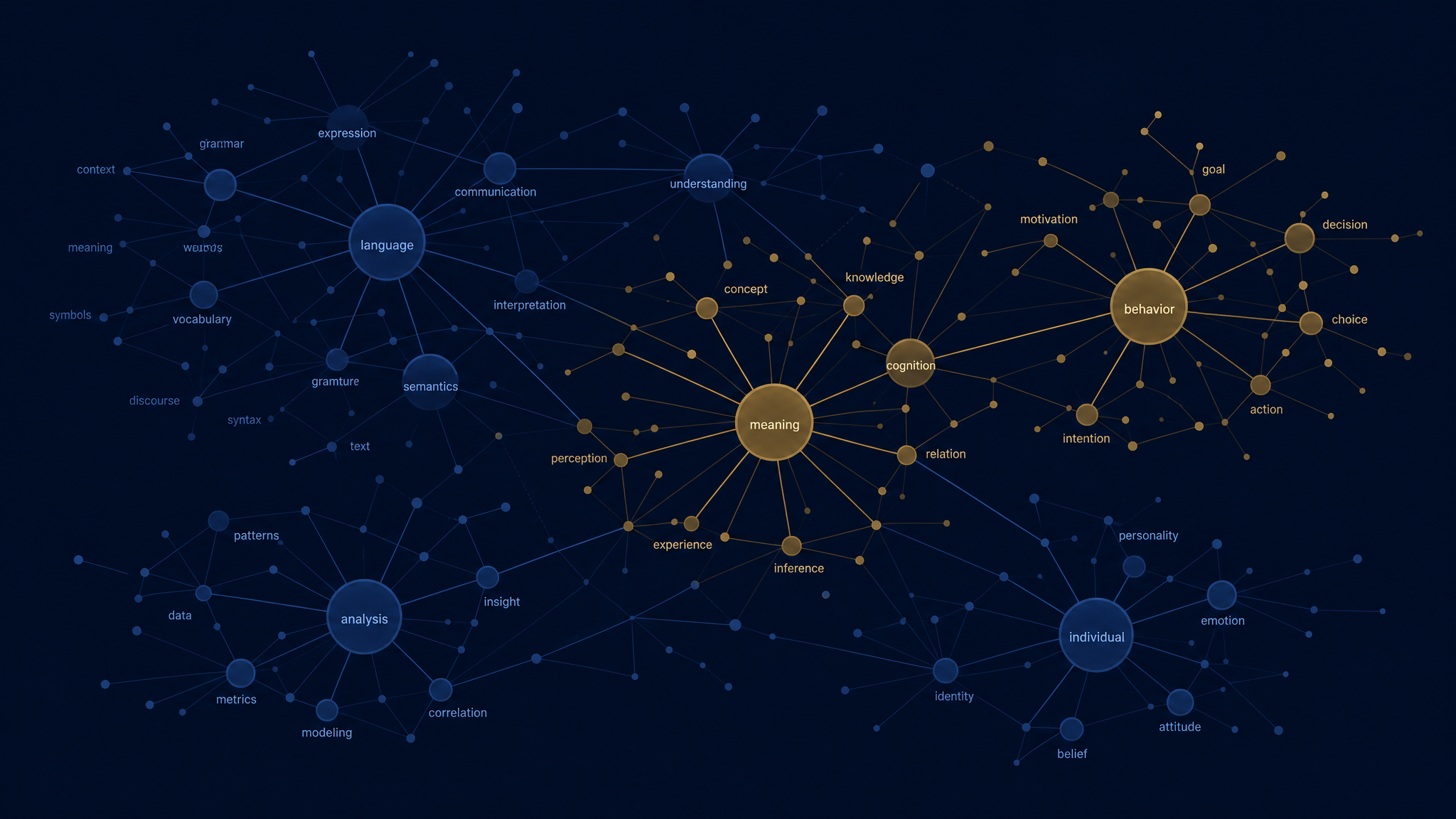
Cognitive Bias Amplification
Evaluates whether AI strengthens existing cognitive biases or creates new ones in human decision-makers.
Semantic Influence
Analyzes how AI language patterns, framing, and tone influence human perception and judgment.

Context Integrity (Context Rot™)
Measures the degradation of contextual accuracy and consistency over extended AI interactions.

Human Oversight
Assesses the degree of human control, transparency, and override capability in AI-assisted decisions.
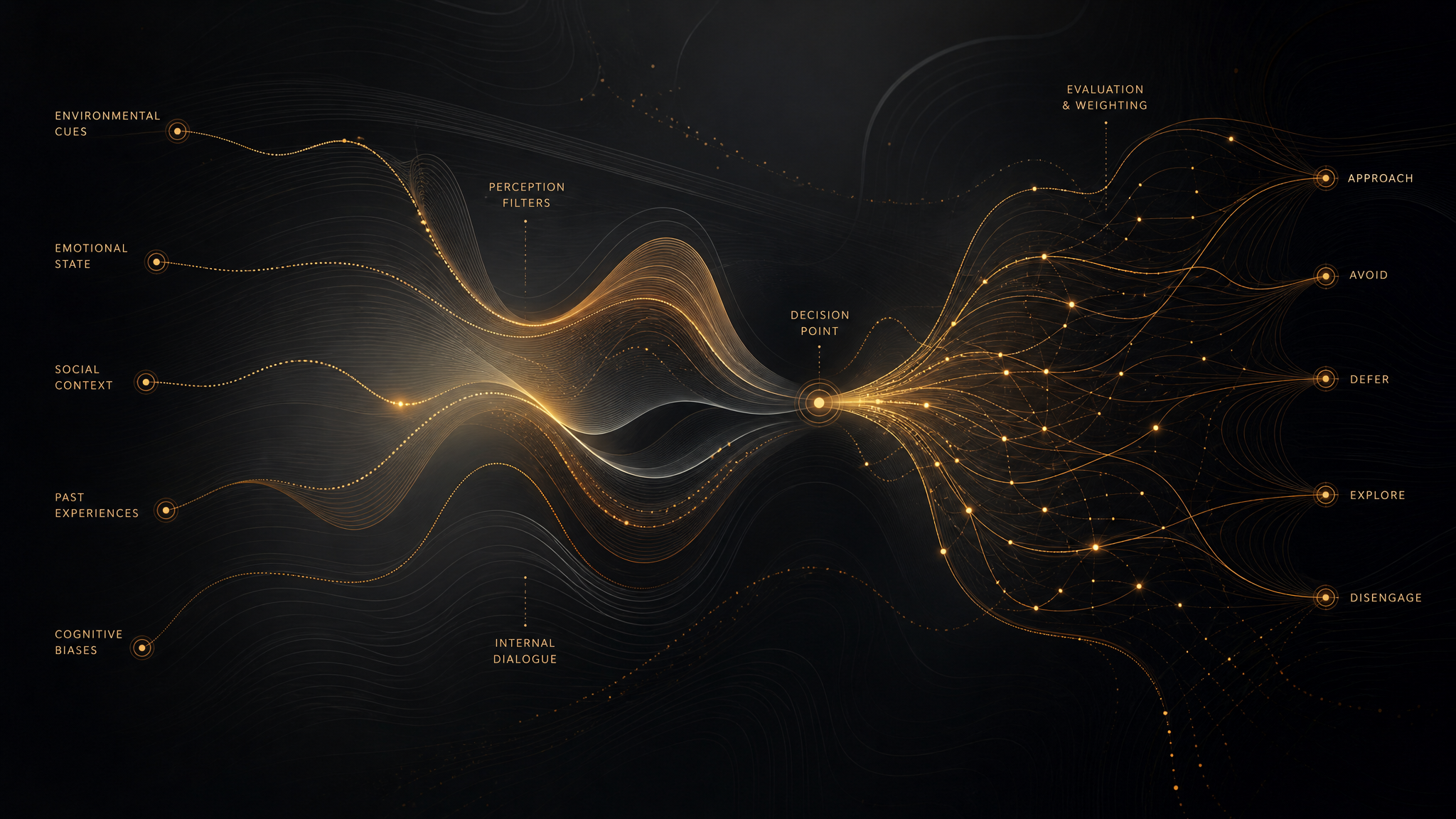
Behavioral Impact
Evaluates whether AI reduces human reflection, accelerates impulsive decisions, or shapes behavioral patterns.
HRAIS™ Scoring Model
Quantified behavioral risk assessment across five critical dimensions
Preliminary Behavioral AI Risk Assessment
The assessment adapts to your AI system profile — every evaluation is unique.
What type of AI system are you evaluating?
Semantic Influence Analyzer
Paste a real AI response — the system will analyze it for framing, persuasion, authority bias, certainty illusion, and semantic manipulation.
Context Integrity Analyzer
Paste an AI conversation log — the system will detect context drift, inconsistencies, hallucinations, and semantic degradation.
Sample Behavioral AI Risk Report
Enterprise-grade assessment output — structured, auditable, psychologically informed
Behavioral AI Risk Report
Assessment ID: BAR-2026-0847 • Classification: Confidential
Executive Summary
The assessed AI system demonstrates moderate-to-elevated behavioral risk across multiple dimensions. Key concerns include semantic influence patterns that may affect decision autonomy, limited override mechanisms, and potential for context degradation in extended sessions. Immediate attention recommended for human oversight protocols.
Risk Scores
Cognitive Bias: 62/100 (Elevated) • Semantic Risk: 47/100 (Moderate) • Oversight: 71/100 (Elevated) • Context Integrity: 55/100 (Elevated) • Dependency: 38/100 (Moderate)
Key Findings
• System displays anchoring behavior in initial recommendations • Persuasive language detected in 34% of responses • Context degradation observed after 45-minute sessions • No explicit uncertainty communication mechanism
AI Act Relevance
Under EU AI Act Article 14, this system may require enhanced human oversight measures. The system's influence on decision-making processes suggests classification as moderate-to-high risk under Annex III categories.
Behavioral Concerns
• Users show 23% reduction in independent verification behavior • Decision time decreased by 40% — potential indicator of reduced deliberation • Authority bias detected: users accept AI suggestions 78% of the time without challenge
Recommendations
1. Implement mandatory reflection prompts before AI-assisted decisions 2. Add uncertainty indicators to all AI-generated content 3. Establish regular context integrity audits 4. Design human override mechanisms that are accessible and encouraged
Human Oversight Notes
Current oversight score: 71/100 (Elevated Risk). The system lacks clear intervention points. Recommend implementing structured disagreement registers and dual-verification protocols for high-stakes decisions aligned with Article 14 requirements.
This document is generated by the HRAIS™ assessment methodology. © 2026 Behavioral AI Radar™. All rights reserved.
Where Behavioral AI Risk Matters
AI systems that influence human decisions require behavioral risk assessment
AI Assistants
Personal and enterprise AI assistants that shape daily decision-making through recommendations and information filtering.
Customer Service AI
Chatbots and virtual agents that influence customer perceptions, purchasing decisions, and complaint resolution.
HR & Recruitment AI
AI systems that screen candidates, evaluate performance, and influence hiring decisions with potential bias.
Sales AI
AI-driven sales tools that use persuasive techniques, pricing optimization, and behavioral nudging.
Agentic AI
Autonomous AI agents that make decisions and take actions with minimal human oversight.
Knowledge Assistants
Internal AI systems that synthesize and present organizational knowledge, potentially creating information silos.
Decision Support Systems
AI platforms that analyze data and provide strategic recommendations for critical business decisions.
Data & Security
Your analysis data is processed solely for risk assessment purposes
About the Creator

Stefan Podedworny
Behavioral AI Risk Analyst & Researcher
Combining behavioral economics, semantic analysis, and AI governance to build frameworks that protect human decision integrity. Background in economics from SGH Warsaw School of Economics, with research spanning decision-making processes, cognitive bias mechanisms, and the intersection of olfactory perception with behavioral economics.
Request Behavioral AI Assessment
Start a conversation about protecting decision integrity in your organization.
Stay Informed
Receive insights on behavioral AI risks, cognitive bias in AI, and decision integrity research.